



The modern workplace is undergoing a massive transformation, and by 2026, AI agents have officially become the new standard for getting work done efficiently. Unlike early generative AI platforms that simply answered static questions or drafted text upon request, today’s autonomous agents execute complex, multi-step workflows with minimal human oversight. They act as tireless, reliable digital assistants—managing busy schedules, organizing extensive research, and executing vital business operations seamlessly in the background. If you are wondering how practical daily work is shifting right now, the answer is remarkably simple: we are moving entirely away from commanding AI, and instead transitioning to collaborating with AI agents that intelligently manage themselves.
What Are Autonomous AI Agents and What Changed?
An AI agent is an autonomous software program that perceives its digital environment, makes decisions, and takes action to achieve a specific goal. While previous years were defined by conversational chatbots, 2026 is universally recognized as the year of true agency.
Recent developments in autonomous productivity mean these tools now possess “memory” and independent tool-use capabilities. Instead of giving an AI a prompt and waiting for an output to copy-paste, you assign a broad objective. The agent independently searches the web, opens applications, interacts with other software via APIs, and course-corrects if it encounters an error. This fundamental shift means users no longer manage the tedious micro-steps of a task, allowing humans to focus purely on strategy, creative direction, and final review.

Practical Use Cases for 2026
Because of their incredible flexibility, autonomous agents are being deployed rapidly by individuals and small teams to handle administrative burdens. Here is how different groups are practically leveraging them today.
Students
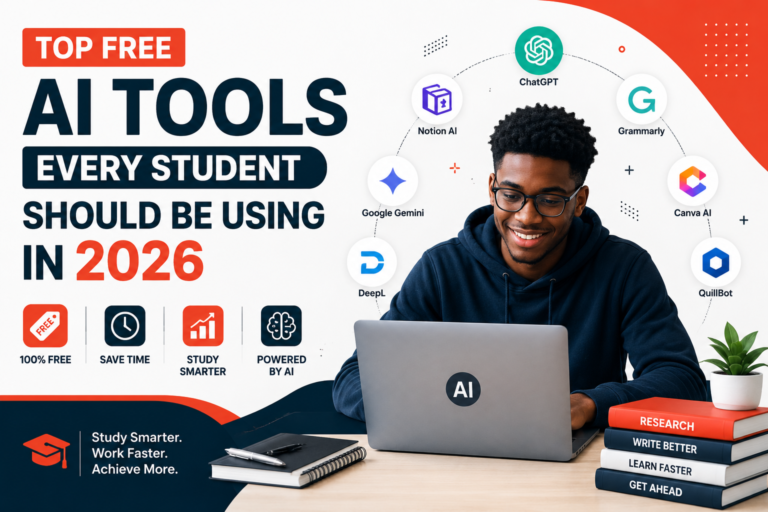
For students, agents act as personal research assistants. They scour academic databases, summarize lengthy PDFs, format citations, and dynamically schedule study blocks around live class times.
Freelancers
Freelancers use agents for seamless client management. An agent can read incoming emails, draft proposals based on templates, generate customized invoices, and send polite follow-ups for late payments.
Creators
Content creators rely on agents for distribution. Once a video is uploaded, the agent automatically clips highlights, drafts platform-specific captions, and schedules optimal posting times across networks.
Small Businesses
Small online businesses deploy agents to route complex customer support tickets, alert owners about low inventory thresholds, and handle routine CRM data entry around the clock.
Benefits and Limitations of the Agentic Workflow
While the advantages of having a 24/7 digital workforce are overwhelmingly clear, relying on AI agents in 2026 still comes with specific, notable trade-offs that users must navigate carefully.
Privacy and Safety Considerations
Because AI agents require direct access to your email, calendars, and business databases to function effectively, security is a primary concern. In 2026, the absolute best practice is to utilize “least privilege” access protocols. This means giving your digital assistant only the exact permissions it needs to complete its assigned workflow, and nothing more.
Most reputable platforms now feature local processing options or strict enterprise-grade encryption to prevent sensitive data leaks. Furthermore, a human-in-the-loop (HITL) failsafe is often natively built into modern tools. This vital feature pauses the workflow and requires your manual human approval before an agent can move money, send binding legal documents, or delete significant data.
Frequently Asked Questions
- Are AI agents expensive to use? While enterprise-grade custom solutions can be costly, many highly capable consumer-grade agents are available through standard monthly software subscriptions, frequently costing less than fifty dollars a month.
- Do I need to know how to code to use them? No. The platforms dominating the productivity market in 2026 feature incredibly intuitive, drag-and-drop interfaces alongside natural language command systems. If you can write an email, you can train an agent.
- Will autonomous agents delete my files by mistake? If properly configured, agents operate strictly within isolated sandbox environments. However, it is always highly recommended to maintain secure cloud backups of all important digital assets just in case.
Summary and Next Steps
The transition toward autonomous workflows is no longer a distant, futuristic concept reserved for tech giants. AI agents are fundamentally reshaping how students study effectively, freelancers manage growing client rosters, and small businesses operate on a daily basis in 2026. By choosing to confidently delegate routine, time-consuming digital chores to these highly capable systems, you can easily reclaim your daily focus for far more creative, high-impact, and strategic business endeavors.
Ready to Optimize Your Workflow?
Explore our comprehensive database of tools to find the perfect agent for your tasks.
Sources and References
- MIT Technology Review (2025): Reports documenting the global shift from generative chat models to action-oriented AI systems in remote work environments.
- Gartner Research (2026): Comprehensive analysis of digital automation trends and the widespread adoption of autonomous agents by small to medium online businesses.